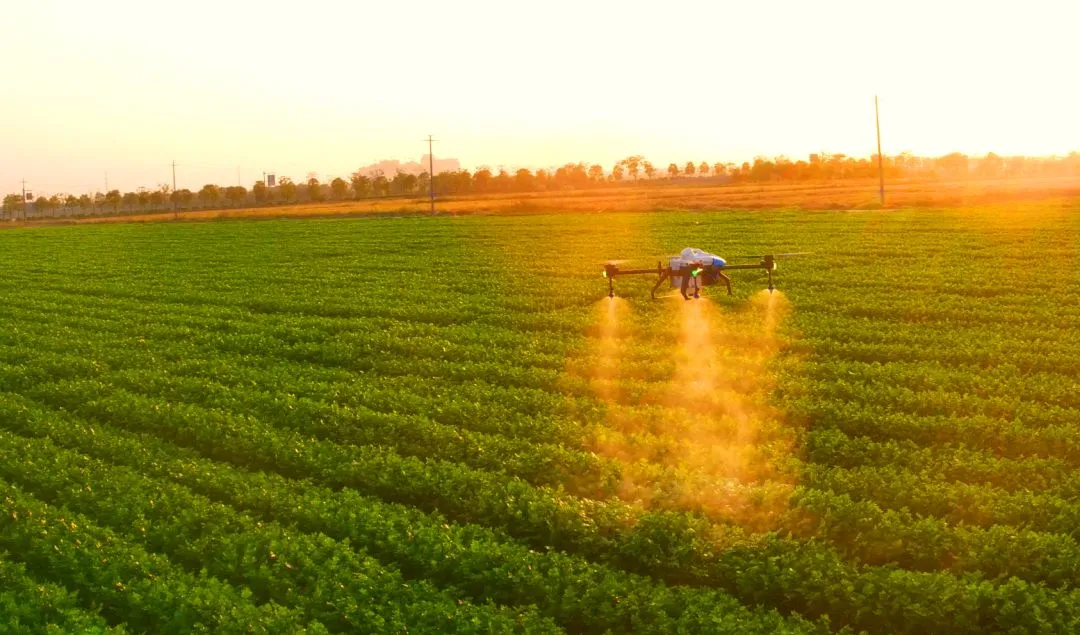
Complete Guide | Step-by-Step Instructions on How to Apply for Plant Protection Drone Subsidies
Currently, China’s plant protection drone technology leads the world, with the largest drone inventory globally. China’s research-developed and produced plant protection drones are distributed worldwide, promoting global plant protection intelligent development and making plant protection simpler, more efficient, and safer.
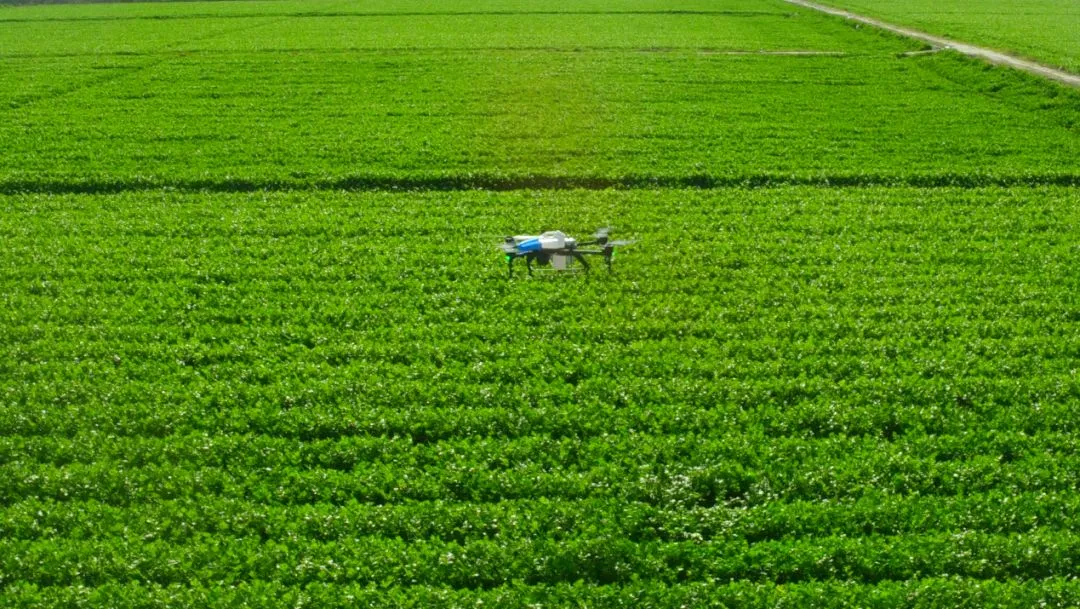
Facing the major trend of drone plant protection, China began implementing pilot subsidies in 2017. Developing to this point, various policies have tended toward completion, and drone plant protection has become increasingly popularized. Whether through government purchases for unified distribution, private purchases, or professional aerial protection teams, all have become commonplace. So what is the current state of the plant protection drone industry? Let’s take a look together.
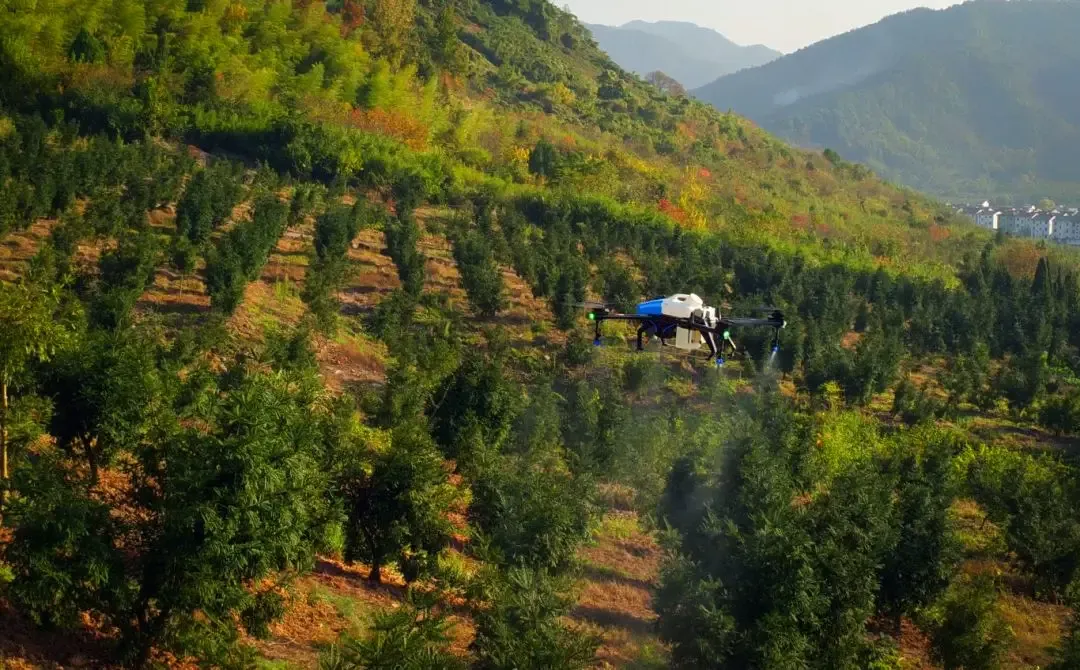
Plant Protection Drone Prices?
Most plant protection drones on the market have pesticide carrying capacity around 20 liters or less. With improving battery performance, electric plant protection drone carrying capacity is also increasing. The market has already seen 22-liter large pesticide capacity. Prices are around tens of thousands of yuan, but with national purchase subsidies and regional government subsidies, in most areas, plant protection drones can be purchased for approximately 1/3 of the original price.
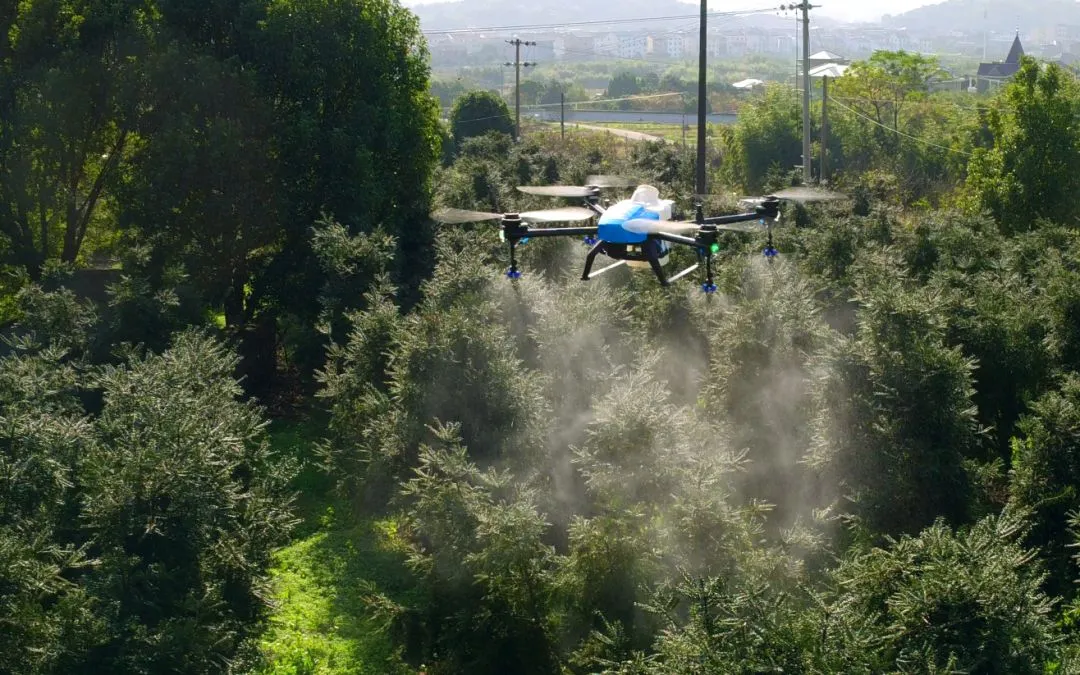
Operation Qualifications Required?
Currently, conducting plant protection drone operations requires certification for position. Various plant protection drone companies arrange training when customers purchase drones, combining theory and practical operation, covering industry knowledge, drone maintenance, operational skills, etc. After assessment, nationally recognized drone operation qualification certificates are issued.
How Much Per Acre for Operations?
According to statistics, professional drone aerial protection teams charge per-acre prices ranging from 5 to 10 yuan, with pesticide prices calculated separately.
National Subsidy Policies
Currently, most provinces, cities, and regions in China have implemented plant protection drone purchase subsidy policies, all formulating subsidy policies based on the principle of simplicity and practicality. However, actual situations differ across provinces, cities, and regions, with subsidy policies slightly varying. The following conditions are compiled based on most situations; specific provincial policies still require checking local subsidy policies.
- Subsidy Amount
Each pilot province’s purchase subsidy total is basically controlled within 10 million yuan, with per-plant-protection-drone subsidy amount basically between 10,000 and 30,000 yuan.
- Subsidy Recipients
Agricultural production and operation organizations engaged in plant protection operations, mainly including farmer (agricultural machinery) professional cooperatives, plant protection operation organizations, crop pest unified prevention and control organizations, etc. Individual purchases of plant protection drones are temporarily not subsidized. Subsidy recipients should also meet the following conditions:
-
Possess subsidizable plant protection drone brand products or professionally trained qualified operators, providing training qualification certificates.
-
Have relatively sound plant protection drone operation management system, including in/out warehouse registration, designated personnel custody, plant protection operation processes, safe flight control, operation record statistics, etc.
-
Before applying for subsidies, have completed real-name registration or nationality registration according to civil unmanned aircraft real-name registration management regulations, have insured property loss insurance and third-party liability insurance, providing insurance policies, have completed a certain scale of plant protection operation volume, etc., providing other materials required by county-level agricultural machinery departments.
-
Application Process
Plant protection drone subsidy applications follow the principle of “purchase first, use later; apply first, then subsidize”. Generally, purchasers can apply for subsidies only after completing a certain scale of plant protection operations. When applying for subsidies, they must provide purchase process materials, operation contracts, operation volume proof, and other relevant materials according to regional regulations, and bear legal responsibility for their authenticity.

Using drones for plant protection operations is simple to operate, efficient and precise, separates humans from pesticides, safe and convenient, liberating users from tedious and tiring spraying, greatly improving plant protection efficiency. Machines replacing humans is the inevitable trend for future agricultural development. With technological development, plant protection machine upgrades, subsidy policy improvement, prices will inevitably become more affordable, and more fields will see plant protection drone operations.